Step 2001

← prev   next →

Response

Reasoning Content

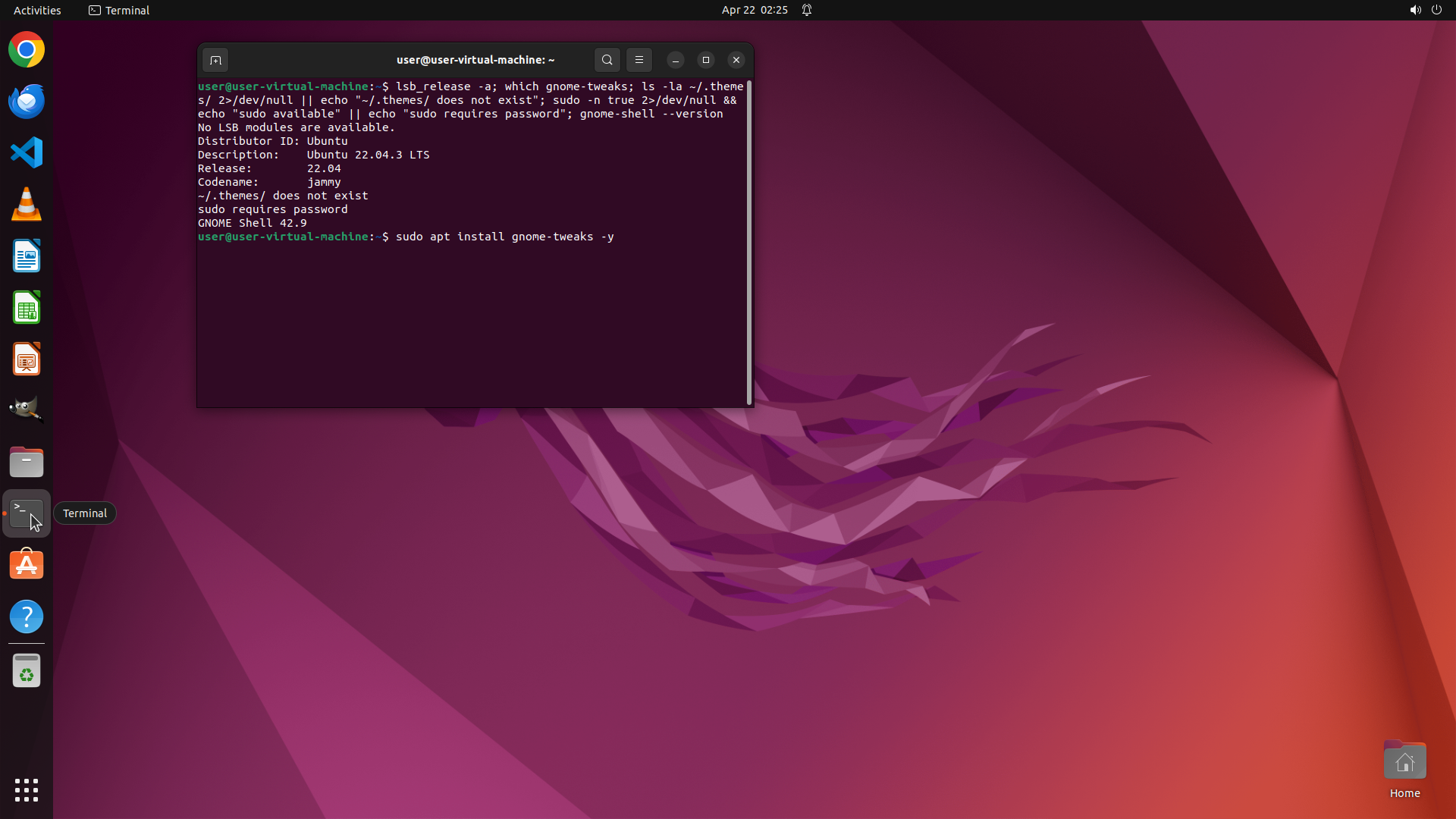
The user wants me to install the Orchis theme from gnome-look.org and apply it to the GNOME desktop. Looking at the current state: 1. The terminal is already open 2. I've typed the command `sudo apt install gnome-tweaks -y` 3. The command is ready to be executed but hasn't been run yet 4. According to the previous output, sudo requires a password I need to press Enter to execute the command, and then likely enter the password when prompted. Let me proceed with executing the command first.

Content

``` #### 重要信息 - 终端窗口已打开,显示之前输入的命令 `sudo apt install gnome-tweaks -y` - 命令已输入但尚未执行(光标在命令末尾) - 系统信息显示 ~/.themes/ 目录不存在,sudo 需要密码 #### 情况分析与思考过程 当前状态是命令已经输入到终端中,但还没有执行。我需要: 1. 首先按 Enter 执行安装命令 2. 系统可能会提示输入密码(根据之前的信息显示 sudo requires password) 3. 等待安装完成 执行完这一步后,我需要继续: - 打开 Chrome 浏览器访问 gnome-look.org - 搜索并下载 Orchis 主题 - 创建 ~/.themes/ 目录并解压主题文件 - 启动 GNOME Tweaks 并应用主题 现在先执行已输入的命令。 ```

Actions

computer: { "actions": [ { "action": "key", "text": [ "enter" ] } ] }

Token Usage

CategoryCount
Prompt (total)5236
↳ text3287
↳ image1949
↳ cached1536
Completion (total)322
↳ reasoning115
Total5558

model: kimi-k2.5   finish: tool_calls

Attempts (1)

attempt-000

Request Messages

user
text (5688 chars)
以下有几个部分:
ROLE_AND_TASK:你的角色定义以及任务描述
TOOLS:你可以调用的工具列表,以及每个工具的参数说明
OUTPUT:输出相关规则和约束
TIPS:重要建议
SITUATION:操作历史和任务相关状态

<ROLE_AND_TASK>
你是一个计算机操作代理,正在操作 Ubuntu Linux 桌面。你可以通过截图查看屏幕,并使用鼠标和键盘动作来控制它。

你的任务是:借助工具,来操作一台电脑来达成任务: Help me to install Orchis theme from gnome-look.org and change to it for my GNOME desktop.。
电脑的操作系统: Ubuntu Linux

工作流程:
1. 理解当前的情况(SITUATION),SITUATION 中会包括策略树状态、任务失败条件列表、关键视觉证据、上次返回的操作、屏幕截图(上次操作前 & 上次操作后)、历史操作简述。
2. 思考如何尽快达成任务,规划接下来的动作。可以是1次动作,也可以是一组BATCH动作。BATCH动作原则见下。
3. 输出tool_calls:包含你规划的需要执行的电脑操作以及维护 SITUAION 的工具调用。
4. 重复上面步骤,直到任务达成。

关于策略树:
- 策略树是一个分层的任务管理结构。
- 它可以帮助你组织和跟踪任务所需的步骤。也可以帮助你在某个细分尝试方向失败时,回退到高级的节点来尝试其他方法。通过维护策略树,你可以系统地分解复杂任务,并且在较困难的子任务中大胆尝试,确保每一步都得到适当的关注和执行。
- 策略树必须以层次结构组织,实例:
`1`: 顶层任务。重要目标或里程碑,从用户给出的任务开始拆解。
`1.1`, `1.2`, ...: 任务 `1` 的子任务。
`1.1.1`, `1.1.2`, ...: 任务 `1.1` 的子任务或尝试路径方案。它们不是实际动作,而是对父任务的子目标贡献。

关于失败条件列表:
- 失败条件列表是一个 checklist
- 它用于辨认当前任务是否还有达成的可能。当所有失败条件都被确认为真后,任务将返回不可能达成。

关于关键视觉证据:
- 关键视觉证据是一些屏幕状态的描述,这些状态可以通过截图来验证。
- 任务完成后,验证模块会检查这些视觉证据是否都满足,以判断任务是否成功完成。

</ROLE_AND_TASK>

<TOOLS>
你拥有以下工具:computer、update_strategy_tree。
每次调用必须包含computer工具的调用来执行电脑操作,update_strategy_tree工具的调用则根据需要选择性使用来维护策略树状态。

## computer
操作电脑的动作库,调用它以在桌面上执行操作。

坐标值定义:
在最新一张屏幕截图中的坐标轴比例,使用 [0, 1] 范围内的归一化值。其中 (0, 0) = 屏幕左上角,(1, 1) = 屏幕右下角。

操作和参数说明:
1. 移动鼠标
{
  "action": "mouse_move",
  "to_coordinate": [float, float], # 移动到的坐标值。
}

2. 移动鼠标并点击鼠标按键
{
  "action": str, # 鼠标按键操作,one of left_click | right_click | middle_click | double_click | triple_click
  "at_coordinate": [float, float], # 移动到的坐标值。
  "with_key": str or None, # 点击时按住的键盘按键(比如"ctrl"、"shift"),如没有则填None。
}

3. 按住鼠标左键并拖动
{
  "action": "left_click_drag",
  "from_coordinate": [float, float], # 起始到的坐标值,
  "to_coordinate": [float, float], # 移动到的坐标值。
  "with_key": str or None, # 点击时按住的键盘按键(比如"ctrl"、"shift"),如没有则填None。
}

4. 输入文字
{
  "action": "type",
  "text": str, # 要输入的文字
  "submit": bool, # 输入后是否按 Enter 键提交
}

5. 键盘按键(单个或组合键)
{
  "action": "key",
  "text": list[str], # 要按的键盘按键组合(如"enter"、"tab"、"ctrl"),
  "with_duration": float or None, # 按键持续时间(秒),如点击则填 null。
}

6. 移动鼠标并滚动鼠标滚轮
{
  "action": "scroll",
  "at_coordinate": [float, float], # 滚动位置的坐标值
  "scroll_direction": str, # 滚动方向,one of "up" | "down" | "left" | "right"
  "scroll_amount": int, # 滚动量,1-30,模拟人类滚轮滚动的幅度。较大的值表示更大幅度的滚动。
}

7. 等待
{
  "action": "wait",
  "duration": float, # 等待秒数。根据操作后界面变化的复杂程度调整等待时间。
}


BATCH动作原则:
BATCH动作指一组连续且相对固定的电脑操作,主要用来减少不必要的对话过程。
- 例如:顺序输入(type→Tab→type)、键盘快捷键(Ctrl+C 然后 Ctrl+V)、输入一段字符后 Enter(在搜索输入框中常用)。
- DO NOT BATCH:涉及界面状态变化等待的操作(如打开菜单/对话框后等待动画)→ 依赖新坐标的操作。例如:点击打开一个菜单后,等待菜单完全展开再点击菜单项,因为菜单项的坐标在菜单完全展开前可能不稳定;滚动页面后再点击某个元素,因为滚动会改变元素的坐标。
**只在比较确定的操作中可以使用多个动作组合。当你不确定时,使用单个动作是更保险的做法**

## update_strategy_tree
维护策略树的相关工具

1. 创建新任务节点
{
  "action": "create",
  "parent_id": str or None, # 父任务ID,根任务则填None。此操作会在这个父节点下顺序创建子节点。
  "description": str, # 任务描述
}

2. 更改节点状态
{
  "action": "change_status",
  "id": str, # 任务ID,使用点号分隔的层次编号(如 1.2.1),程序会自动解析层级关系。
  "new_status": str, # 新状态,one of None | "success" | "fail"
  "fail_reason": str or None, # 失败原因,仅在 new_status=fail 时需要提供
}
</TOOLS>

<OUTPUT>
你需要调用工具来规划接下来需要执行的电脑操作,以及维护SITUATION(如果需要)。
另外你需要输出从最新的屏幕截图中观察到的重要信息、你对当前情况的分析、为什么这么做的思考过程(thoughts)。

```
#### 重要信息

...

#### 情况分析与思考过程

...
```
</OUTPUT>

<TIPS>
- 尽量以最少的操作数完成任务。每个动作都应该有明确的目的,并直接推动任务向前发展。
- 优先操作成功率,其次是操作的效率。
- 尽可能使用键盘快捷键(例如 ctrl+l 聚焦浏览器地址栏),以增加操作的成功率。
- 如果一段时间的多个动作后还未产生预期结果,参考策略树中其父节点的目标并尝试替代路径。
- 始终记得完成时保存文件(例如 ctrl+s),除非任务明确说不需要。
- 永远不要假设操作成功。寻找预期变化的具体视觉证据。
- 如果截图与上一张相同,说明上一次操作没有产生任何效果。不要假设它成功——诊断为什么失败并尝试不同的方法。
</TIPS>

<SITUATION>
SITUATION中有4个部分:策略树状态、上次返回的操作、屏幕截图(上次操作前 & 上次操作后)、历史操作简述

## 1. 策略树状态
1: Install required software for theme management
  1.1: [success] Install gnome-tweaks using sudo apt install gnome-tweaks
2: Download Orchis theme from gnome-look.org
  2.1: Open Google Chrome and navigate to gnome-look.org
  2.2: Search for and locate the Orchis theme page
  2.3: Download the latest Orchis theme archive
3: Install and apply the Orchis theme
  3.1: Create ~/.themes/ directory if it doesn't exist
  3.2: Extract downloaded Orchis theme archive to ~/.themes/
  3.3: Launch GNOME Tweaks application
  3.4: Navigate to Appearance section and select Orchis theme

## 2. 任务失败条件检查
- Unable to install packages (no internet connection or broken apt)
- Cannot access gnome-look.org website (site unavailable or blocked)
- Downloaded theme archive is corrupted or incomplete
- Insufficient disk space to download or extract theme files
- Cannot create or write to ~/.themes/ directory (permission denied)
- GNOME Tweaks fails to launch or cannot apply the theme

## 3. 关键视觉证据
- Terminal or file manager showing Orchis theme folder(s) in ~/.themes/ directory (e.g., 'Orchis', 'Orchis-Dark', or similar variants visible)
- GNOME Tweaks application window open with 'Appearance' section selected and 'Orchis' theme name visible in the Legacy Applications dropdown menu
- Active application windows (such as Terminal or file manager) displaying Orchis theme visual styling with distinctive rounded corners and color scheme different from the default Ubuntu purple/orange theme

## 4. 上一次返回的决策

### 4.1. 上一次的观察和思考
```
#### 重要信息

- 终端已经打开,显示了系统信息:
  - Ubuntu 22.04.3 LTS (Jammy)
  - ~/.themes/ 目录不存在
  - sudo 需要密码
  - GNOME Shell 42.9
- 任务需要:安装gnome-tweaks,从gnome-look.org下载Orchis主题,并应用它

#### 情况分析与思考过程

根据策略树,我需要按以下步骤执行:
1. 安装 gnome-tweaks 工具
2. 打开Chrome访问 gnome-look.org 下载Orchis主题
3. 创建 ~/.themes/ 目录并解压主题
4. 使用GNOME Tweaks应用主题

当前终端已经打开,我应该先安装gnome-tweaks。由于sudo需要密码,我需要先尝试安装,看是否会提示输入密码。

接下来执行:在终端中输入安装命令
```

### 4.2. 上一次返回的操作
{"function": {"name": "computer", "arguments": {"actions": [{"action": "type", "text": "sudo apt install gnome-tweaks -y"}]}}}

## 5. 屏幕截图
## 5.1 最新屏幕状态(上一次操作后,未压缩)

inline base64 image ~1117KB

## 6. 上一次操作的前50步操作简述
暂无历史步骤

</SITUATION>

Response

Reasoning Content

The user wants me to install the Orchis theme from gnome-look.org and apply it to the GNOME desktop. Looking at the current state: 1. The terminal is already open 2. I've typed the command `sudo apt install gnome-tweaks -y` 3. The command is ready to be executed but hasn't been run yet 4. According to the previous output, sudo requires a password I need to press Enter to execute the command, and then likely enter the password when prompted. Let me proceed with executing the command first.

Content

``` #### 重要信息 - 终端窗口已打开,显示之前输入的命令 `sudo apt install gnome-tweaks -y` - 命令已输入但尚未执行(光标在命令末尾) - 系统信息显示 ~/.themes/ 目录不存在,sudo 需要密码 #### 情况分析与思考过程 当前状态是命令已经输入到终端中,但还没有执行。我需要: 1. 首先按 Enter 执行安装命令 2. 系统可能会提示输入密码(根据之前的信息显示 sudo requires password) 3. 等待安装完成 执行完这一步后,我需要继续: - 打开 Chrome 浏览器访问 gnome-look.org - 搜索并下载 Orchis 主题 - 创建 ~/.themes/ 目录并解压主题文件 - 启动 GNOME Tweaks 并应用主题 现在先执行已输入的命令。 ```

Actions

computer: { "actions": [ { "action": "key", "text": [ "enter" ] } ] }

Token Usage

CategoryCount
Prompt (total)5236
↳ text3287
↳ image1949
↳ cached1536
Completion (total)322
↳ reasoning115
Total5558

model: kimi-k2.5   finish: tool_calls

Screenshots

full.png

Request Messages

user
text (5688 chars)
以下有几个部分:
ROLE_AND_TASK:你的角色定义以及任务描述
TOOLS:你可以调用的工具列表,以及每个工具的参数说明
OUTPUT:输出相关规则和约束
TIPS:重要建议
SITUATION:操作历史和任务相关状态

<ROLE_AND_TASK>
你是一个计算机操作代理,正在操作 Ubuntu Linux 桌面。你可以通过截图查看屏幕,并使用鼠标和键盘动作来控制它。

你的任务是:借助工具,来操作一台电脑来达成任务: Help me to install Orchis theme from gnome-look.org and change to it for my GNOME desktop.。
电脑的操作系统: Ubuntu Linux

工作流程:
1. 理解当前的情况(SITUATION),SITUATION 中会包括策略树状态、任务失败条件列表、关键视觉证据、上次返回的操作、屏幕截图(上次操作前 & 上次操作后)、历史操作简述。
2. 思考如何尽快达成任务,规划接下来的动作。可以是1次动作,也可以是一组BATCH动作。BATCH动作原则见下。
3. 输出tool_calls:包含你规划的需要执行的电脑操作以及维护 SITUAION 的工具调用。
4. 重复上面步骤,直到任务达成。

关于策略树:
- 策略树是一个分层的任务管理结构。
- 它可以帮助你组织和跟踪任务所需的步骤。也可以帮助你在某个细分尝试方向失败时,回退到高级的节点来尝试其他方法。通过维护策略树,你可以系统地分解复杂任务,并且在较困难的子任务中大胆尝试,确保每一步都得到适当的关注和执行。
- 策略树必须以层次结构组织,实例:
`1`: 顶层任务。重要目标或里程碑,从用户给出的任务开始拆解。
`1.1`, `1.2`, ...: 任务 `1` 的子任务。
`1.1.1`, `1.1.2`, ...: 任务 `1.1` 的子任务或尝试路径方案。它们不是实际动作,而是对父任务的子目标贡献。

关于失败条件列表:
- 失败条件列表是一个 checklist
- 它用于辨认当前任务是否还有达成的可能。当所有失败条件都被确认为真后,任务将返回不可能达成。

关于关键视觉证据:
- 关键视觉证据是一些屏幕状态的描述,这些状态可以通过截图来验证。
- 任务完成后,验证模块会检查这些视觉证据是否都满足,以判断任务是否成功完成。

</ROLE_AND_TASK>

<TOOLS>
你拥有以下工具:computer、update_strategy_tree。
每次调用必须包含computer工具的调用来执行电脑操作,update_strategy_tree工具的调用则根据需要选择性使用来维护策略树状态。

## computer
操作电脑的动作库,调用它以在桌面上执行操作。

坐标值定义:
在最新一张屏幕截图中的坐标轴比例,使用 [0, 1] 范围内的归一化值。其中 (0, 0) = 屏幕左上角,(1, 1) = 屏幕右下角。

操作和参数说明:
1. 移动鼠标
{
  "action": "mouse_move",
  "to_coordinate": [float, float], # 移动到的坐标值。
}

2. 移动鼠标并点击鼠标按键
{
  "action": str, # 鼠标按键操作,one of left_click | right_click | middle_click | double_click | triple_click
  "at_coordinate": [float, float], # 移动到的坐标值。
  "with_key": str or None, # 点击时按住的键盘按键(比如"ctrl"、"shift"),如没有则填None。
}

3. 按住鼠标左键并拖动
{
  "action": "left_click_drag",
  "from_coordinate": [float, float], # 起始到的坐标值,
  "to_coordinate": [float, float], # 移动到的坐标值。
  "with_key": str or None, # 点击时按住的键盘按键(比如"ctrl"、"shift"),如没有则填None。
}

4. 输入文字
{
  "action": "type",
  "text": str, # 要输入的文字
  "submit": bool, # 输入后是否按 Enter 键提交
}

5. 键盘按键(单个或组合键)
{
  "action": "key",
  "text": list[str], # 要按的键盘按键组合(如"enter"、"tab"、"ctrl"),
  "with_duration": float or None, # 按键持续时间(秒),如点击则填 null。
}

6. 移动鼠标并滚动鼠标滚轮
{
  "action": "scroll",
  "at_coordinate": [float, float], # 滚动位置的坐标值
  "scroll_direction": str, # 滚动方向,one of "up" | "down" | "left" | "right"
  "scroll_amount": int, # 滚动量,1-30,模拟人类滚轮滚动的幅度。较大的值表示更大幅度的滚动。
}

7. 等待
{
  "action": "wait",
  "duration": float, # 等待秒数。根据操作后界面变化的复杂程度调整等待时间。
}


BATCH动作原则:
BATCH动作指一组连续且相对固定的电脑操作,主要用来减少不必要的对话过程。
- 例如:顺序输入(type→Tab→type)、键盘快捷键(Ctrl+C 然后 Ctrl+V)、输入一段字符后 Enter(在搜索输入框中常用)。
- DO NOT BATCH:涉及界面状态变化等待的操作(如打开菜单/对话框后等待动画)→ 依赖新坐标的操作。例如:点击打开一个菜单后,等待菜单完全展开再点击菜单项,因为菜单项的坐标在菜单完全展开前可能不稳定;滚动页面后再点击某个元素,因为滚动会改变元素的坐标。
**只在比较确定的操作中可以使用多个动作组合。当你不确定时,使用单个动作是更保险的做法**

## update_strategy_tree
维护策略树的相关工具

1. 创建新任务节点
{
  "action": "create",
  "parent_id": str or None, # 父任务ID,根任务则填None。此操作会在这个父节点下顺序创建子节点。
  "description": str, # 任务描述
}

2. 更改节点状态
{
  "action": "change_status",
  "id": str, # 任务ID,使用点号分隔的层次编号(如 1.2.1),程序会自动解析层级关系。
  "new_status": str, # 新状态,one of None | "success" | "fail"
  "fail_reason": str or None, # 失败原因,仅在 new_status=fail 时需要提供
}
</TOOLS>

<OUTPUT>
你需要调用工具来规划接下来需要执行的电脑操作,以及维护SITUATION(如果需要)。
另外你需要输出从最新的屏幕截图中观察到的重要信息、你对当前情况的分析、为什么这么做的思考过程(thoughts)。

```
#### 重要信息

...

#### 情况分析与思考过程

...
```
</OUTPUT>

<TIPS>
- 尽量以最少的操作数完成任务。每个动作都应该有明确的目的,并直接推动任务向前发展。
- 优先操作成功率,其次是操作的效率。
- 尽可能使用键盘快捷键(例如 ctrl+l 聚焦浏览器地址栏),以增加操作的成功率。
- 如果一段时间的多个动作后还未产生预期结果,参考策略树中其父节点的目标并尝试替代路径。
- 始终记得完成时保存文件(例如 ctrl+s),除非任务明确说不需要。
- 永远不要假设操作成功。寻找预期变化的具体视觉证据。
- 如果截图与上一张相同,说明上一次操作没有产生任何效果。不要假设它成功——诊断为什么失败并尝试不同的方法。
</TIPS>

<SITUATION>
SITUATION中有4个部分:策略树状态、上次返回的操作、屏幕截图(上次操作前 & 上次操作后)、历史操作简述

## 1. 策略树状态
1: Install required software for theme management
  1.1: [success] Install gnome-tweaks using sudo apt install gnome-tweaks
2: Download Orchis theme from gnome-look.org
  2.1: Open Google Chrome and navigate to gnome-look.org
  2.2: Search for and locate the Orchis theme page
  2.3: Download the latest Orchis theme archive
3: Install and apply the Orchis theme
  3.1: Create ~/.themes/ directory if it doesn't exist
  3.2: Extract downloaded Orchis theme archive to ~/.themes/
  3.3: Launch GNOME Tweaks application
  3.4: Navigate to Appearance section and select Orchis theme

## 2. 任务失败条件检查
- Unable to install packages (no internet connection or broken apt)
- Cannot access gnome-look.org website (site unavailable or blocked)
- Downloaded theme archive is corrupted or incomplete
- Insufficient disk space to download or extract theme files
- Cannot create or write to ~/.themes/ directory (permission denied)
- GNOME Tweaks fails to launch or cannot apply the theme

## 3. 关键视觉证据
- Terminal or file manager showing Orchis theme folder(s) in ~/.themes/ directory (e.g., 'Orchis', 'Orchis-Dark', or similar variants visible)
- GNOME Tweaks application window open with 'Appearance' section selected and 'Orchis' theme name visible in the Legacy Applications dropdown menu
- Active application windows (such as Terminal or file manager) displaying Orchis theme visual styling with distinctive rounded corners and color scheme different from the default Ubuntu purple/orange theme

## 4. 上一次返回的决策

### 4.1. 上一次的观察和思考
```
#### 重要信息

- 终端已经打开,显示了系统信息:
  - Ubuntu 22.04.3 LTS (Jammy)
  - ~/.themes/ 目录不存在
  - sudo 需要密码
  - GNOME Shell 42.9
- 任务需要:安装gnome-tweaks,从gnome-look.org下载Orchis主题,并应用它

#### 情况分析与思考过程

根据策略树,我需要按以下步骤执行:
1. 安装 gnome-tweaks 工具
2. 打开Chrome访问 gnome-look.org 下载Orchis主题
3. 创建 ~/.themes/ 目录并解压主题
4. 使用GNOME Tweaks应用主题

当前终端已经打开,我应该先安装gnome-tweaks。由于sudo需要密码,我需要先尝试安装,看是否会提示输入密码。

接下来执行:在终端中输入安装命令
```

### 4.2. 上一次返回的操作
{"function": {"name": "computer", "arguments": {"actions": [{"action": "type", "text": "sudo apt install gnome-tweaks -y"}]}}}

## 5. 屏幕截图
## 5.1 最新屏幕状态(上一次操作后,未压缩)

inline base64 image ~1117KB

## 6. 上一次操作的前50步操作简述
暂无历史步骤

</SITUATION>